LGBTQ outlet part of LA collab to cover ICE raids
by Joe Siegel
Six newsrooms across Los Angeles County, including one LGBTQ outlet, formed a collaboration in order to better cover ongoing ICE raids in and around the city. Those outlets are Los Angeles Public Press, Capital B, CALÓ News, L.A. TACO, Capital & Main, and Q Voice News.
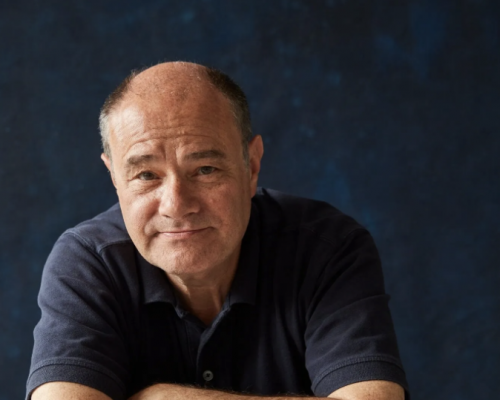
A November 20 story by Q Voice News editor and co-founder Phillip Zonkel noted, “Trans immigrants have faced compounded vulnerabilities during the federal immigration raids that have blanketed the L.A. area since June, but LGBTQ+ organizers have taken steps to build targeted resistance in the vital areas of housing and health care to help their communities cope with the crisis.”
 “Los Angeles County is home to approximately 10 percent of the nation’s adult LGBT immigrants. Among this group, an estimated 23,000 undocumented residents are at ‘most immediate risks of detention and deportation,’ according to a June report from UCLA’s Williams Institute,” Zonkel wrote.
L.A. Public Press was responsible for bringing all the newsrooms together, Zonkel said. The publications reached out to Q Voice News in the hopes of providing an LGBTQ angle to their reporting. “So many times, publications forget the LGBTQ perspective, … so it was great that they included us.”
Violence directed at protestors as well as journalists has been all too common, said Zonkel.
“I know people who were there [at the protests] and sharing their experiences and how they were treated by various law enforcement groups,” Zonkel noted. “It was pretty horrific because California has specific laws on the books that protect journalists explicitly when there are protests going on.”
Zonkel said journalists are not required to leave a protest site, even if law enforcement is ordering others to leave.
Journalists are “also protected from harassment and brutality from law enforcement because they’re doing their job covering these events. [ICE] was pretty combative and pretty hostile here in Los Angeles. It was very intense, it was very hostile. There have been lawsuits filed against the Los Angeles Police Department and the Sheriff’s department regarding how they trampled over journalists, literally and figuratively,” said Zonkel.
Law enforcement authorities have tried to justify their use of force by claiming they were unable to determine who the real journalists were.
“The overwhelming majority of folks out there on the front lines, if they aren’t wearing a press badge, they have some type of identification on them calling them press,” Zonkel continued. “That argument doesn’t hold water if they’re unsure who the journalists are. Agencies don’t get to decide who calls themselves journalists and who’s not.”
Police officers have fired pepper balls and tear gas canisters at protestors. They refer to it as “less lethal” force because they’re not shooting bullets. Zonkel said that people are still being badly injured.
“One person had a finger shot off because of these ‘less lethal’ means. If you happen to inhale that tear gas, it’s dreadful, it’s horrific. I think it’s important to remember these incidents aren’t isolated. Time and time again, we see law enforcement attacking the media. It’s been happening for decades and so we’ve always had a target on our backs — literally and figuratively.”
Zonkel believes other media outlets should consider sharing resources considering the turbulent economic climate we’re living in.
“Last year we collaborated with queer newsrooms from around the country where we looked at the 2024 election through a local queer lens. We didn’t cover anything on a federal level because everybody was doing that. We looked at what local LGBTQ issues [and candidates] were on the ballot. There were 10 newsrooms total. It was the first time in history that had ever been done. There’s a long way to go in terms of collaborations and working together. The bottom line, it’s great,” he said. “More people should be doing it.”
IN THE NEWS
Volume 27
Issue 11