
72 percent of community looks to LGBTQ media
by Joe Siegel
The Human Rights Campaign Foundation’s 2026 LGBTQ Community Survey showed that 72 percent of respondents said they read or view LGBTQ media as a way of connecting with the community.
 That statistic is just one of many findings published in the report, which was released just ahead of National Coming Out Day on October 11.
“More than 25 million LGBTQ+ adults live in the United States today. LGBTQ+ people are part of families, workplaces, communities, and institutions nationwide. Still, being part of the population is not the same as being visible. When and with whom someone chooses to be open shapes whether LGBTQ+ people are seen and known in their everyday lives,” the report states “Despite concerns about safety, politics, and declining social acceptance, LGBTQ+ people continue to find and build community with each other. Nearly two-thirds (65 percent) say they feel very or somewhat connected to the LGBTQ+ community.”
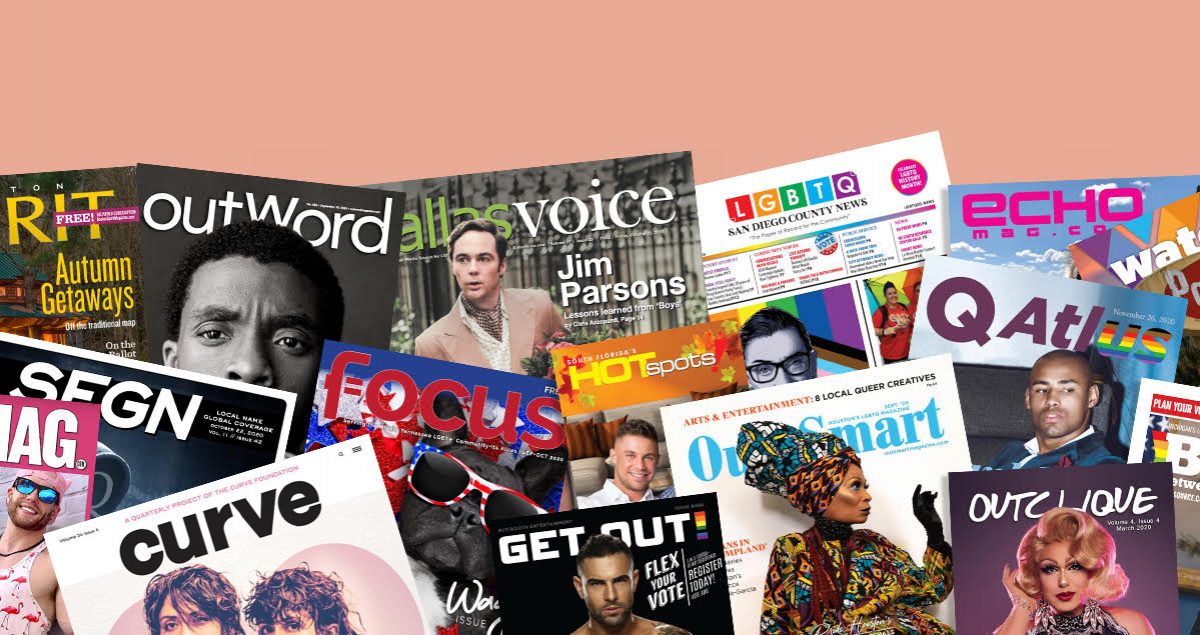
Many editors and publishers at LGBTQ media outlets say the HRC study is an accurate reflection of how the community members engage with one another.
“It’s not surprising given Trump’s threats to LGBTQ people, and this shows our community relies on our own trusted news media,” said Michael Yamashita, publisher of the Bay Area Reporter in San Francisco. “We cannot rely on others to tell our stories. LGBTQ media is crucial for keeping us informed and focused on our fight for equality.”
“We know that for so many of our readers, our LGBTQ+ Ohio content in The Buckeye Flame is their only connection to the LGBTQ+ Ohio community,” said Ken Schneck, editor at the Cleveland area publication. “This is particularly true for rural LGBTQ+ Ohioans, which is why we devote so many of our resources to covering these communities, including staffing the only known rural LGBTQ+ beat reporter in the world.”
Todd Evans, CEO of Rivendell Media and publisher of Press Pass Q, believes LGBTQ media is experiencing a period of deja vu.
“This time now reminds me so much of the 1990s when the AIDS crisis hit our community and thus our media as corporate advertising and support froze then too. We got through all that because of the support of our community and those brave advertisers that continued to reach out and let us know they stood with us even if only by advertising,” Evans explained.
“Today is a bit different as this time we have an administration that is not just ignoring us like back then but attacking us directly,” Evans continued. “Fortunately, the readers and community as a whole have been responsive in supporting their local media through direct donations and stepping up as necessary. What I love about this research, now coming from HRC but essentially the same for the last 20 years via CMI (Community Marketing, Inc.), is just how important LGBTQ media/news is to our community. My hope now, until the administration and advertising climate changes, is that our own organizations start to utilize our own media with advertising support where and when they can.”
Mark Segal, founder and publisher of Philadelphia Gay News, added, “This clearly demonstrates just how much our community depends on LGBTQ media not only to stay informed about the issues that affect our lives, but to remain connected to one another. At a time when political efforts threaten to erase our history, diminish our visibility, and eliminate funding for our institutions, independent LGBTQ journalism has never been more essential. Our community knows that we cannot depend on others to tell our stories, preserve our history, or give voice to our concerns. That’s why we turn to our own trusted media of record. We are not simply reporting our community’s history, we are helping ensure that it can never be erased.”
“For years, we’ve been making the case that LGBTQ media plays a vital role in connecting, informing and strengthening our community,” said Leo Cusimano, publisher of Dallas Voice. “Now we have research that reinforces that message. When 72 percent of respondents identify LGBTQ media and news as a way they engage with our community, that’s significant.”
“I think this presents a tremendous opportunity for all of us, especially as we continue to make the business case for investing in LGBTQ media,” Cusimano continued. “Advertisers, agencies and funders need to understand that our publications aren’t just delivering news. We’re building connections, preserving our history, amplifying voices and creating a sense of belonging. This is exactly the kind of research we should be sharing through the National LGBT Media Association and News Is Out. It helps demonstrate the value of our collective reach and the importance of supporting independent LGBTQ journalism. After more than 40 years of Dallas Voice telling our community’s stories, it’s encouraging to see research that reinforces what we’ve known all along. Our media matters.”
To view the full report, go to https://communityinsights.hrc.org/research/ncod26-outness-and-visibility
TOP STORY
Volume 28
Issue 9