AI use takes center stage at NLGJA convention
by Joe Siegel
SAN FRANCISCO — The use of artificial intelligence in journalism was the subject of a few different forums at the annual convention of NLGJA: The Association of LGBTQ+ Journalists in San Francisco, which was held September 10-12, 2026.
At one forum, Evan Hirsch from OpenAI gave a tutorial about how to use ChatGPT in the newsroom. Hirsch previously served as a senior producer at NBC News, where he began building AI tools to support newsroom work.
“AI should make journalism more human, not less,” Hirsch said.
The benefits of AI include the ability to “analyze story signals faster,” as well as being able to summarize legal documents, meeting minutes, press releases, and complex studies, he noted.
Hirsch also discussed chatbots, agent tools and teams, and Codex, which assists with FOIA (Freedom of Information Act) requests.
Hirsch explained the concept of “hallucinations,” instances when AI provides incorrect answers to questions and recommended journalists ask for sources or citations for the information provided.
When asked about the ethical implications of the technology, Hirsch declined to answer.
Another discussion, “Follow the Money: AI and the Cross-Platform Global Newsroom,” featured journalists from Bloomberg.
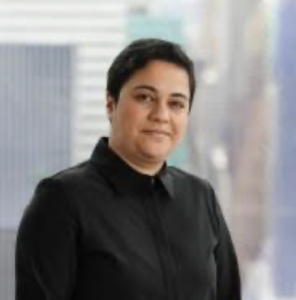
“AI is having a real world impact,” said Rakshita Saluja, executive editor and global head of digital audience at Bloomberg News. “It can make us more efficient in the newsroom.”
Saluja noted the consumer angle in their coverage, which reaches audiences in over 100 countries.
AI was like an “extremely knowledgeable drunk high person,” said Todd Gillespie, a New York-based finance reporter.
“We don’t rely on AI 100 percent for anything,” Saluja noted. “It can be a starting point for a lot of things.”
“People want to talk to human beings who are experts,” said Lynn Doan, managing editor of enterprise technology, hardware and global cybersecurity at Bloomberg.
The panel also addressed the growing opposition to data centers and disinformation being spread on social media about AI.
Another discussion, billed as “A View From the Top,” also featured discussion about AI.
Dan Reynolds, editor of the Advocate and OUT, said 80 percent of journalists use AI, which is “a really helpful tool in journalism.”
“It’s a tool to support human-made work,” added Patrick Healy, assistant managing editor at the New York Times. “We don’t use AI to draft stories.”
Healy said the paper is “transparent with our audience” and noted the “core value of journalism, AI will never be able to replace.”
Another discussion, Finding the Real AI Story, featured journalists from The Wall Street Journal. The panel, which also featured the Journal’s deputy editor-in-chief David Crow, discussed the impact of AI on the lives and work of journalists.
Crow noted the “backlash” to technology and says the Journal specializes in exploring the “interesting personalities” of the people in the technology industry.
The publication has focused on the investments being made in data centers, competition between the companies involved in creating AI, and the intense personal rivalries between tech titans such as Elon Musk and Mark Zuckerberg.
“Companies are building data centers at an unprecedented rate. They’re spending billions of dollars on this,” writer Meghan Bobrowski noted.
The panelists stressed the importance of meeting tech CEOs in person, noting they have a “default skepticism” about speaking to the press.
IN THE NEWS
Volume 28
Issue 9