Gay vs. Queer debate reignited by NYT op-ed
by Joe Siegel
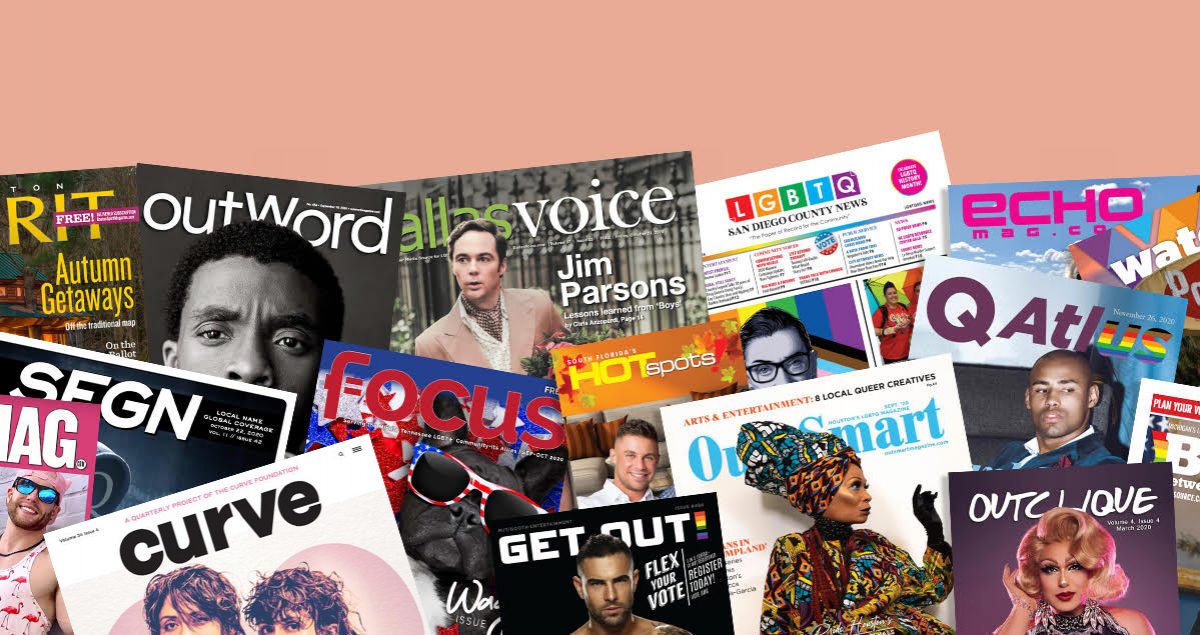
A debate over what words should be used to describe the LGBTQ community continues to stir up strong feelings among publishers and editors. The issue resurfaced after the New York Times published an op-ed by writer Matthew Vines that caused an immediate backlash.
The piece was headlined, “I’m Gay, Not Queer. It Matters.” In it, Vines argues that the word “queer,” “is often used interchangeably with ‘gay’ these days.’ The two words don’t mean the same thing. And in that difference lies a danger for our hard-fought equality.”
The Washington Blade ran a July 1 column by Emma Cieslik addressing the controversy.
”Yesterday, on the last day of Pride month, the New York Times published an opinion piece by Matthew Vines where he argued that the push to identify as ‘queer’ is a contributing factor to modern backlash to LGBTQ+ rights. In the piece, he argues that ‘being gay is not a rebellion against ordinary life,” Cieslik wrote. “As a queer public historian, I disagree — being LGBTQ+ is a revolutionary act because American society was and continues to be built on heteronormative, cisgendered standards. We need only look at yesterday’s Supreme Court decision upholding bans on trans athletes to realize that LGBTQ+ rights are still greatly under attack.”
Cieslik continued, ”Vines and other white cis gay men and women who refuse to use the term ‘queer’ or understand their bodies, identities, and relationships as political fail to recognize what secured their rights protecting them against discrimination and to marry the people they love.”
Jeremy Rodriguez, editor of the Philadelphia Gay News, also criticized Vines.
“It seems like Vines believes the fight for LGBTQ+ equality ended when same-sex marriage became the law of the land in 2015,” Rodriguez wrote. “But the fight did not occur in a vacuum. It’s a fight that has taken decades and continues today. He is right to be concerned about efforts to overturn Obergefell v. Hodges. We should all be worried about that. However, our fight raged on before, during and after marriage equality. It will continue even if marriage continues to be a right we enjoy.”
According to Rick Todd, publisher of Orlando-based Watermark Out News, his newspaper “uses LGBTQ+ to officially refer to the community we serve. We will use ‘gay’ or ‘queer’ depending on how we are referencing a group or individual and the manner in which they refer to themselves.”
Watermark, however, does not shy away from the word “queer. “We produced a documentary on the LGBTQ+ history of Central Florida called ‘Greetings From Queertown: Orlando’ and we do a weekly podcast called ‘Wine, Wine Not: A Queer Podcast.’ As an organization, we do not share the opinion of the author of this opinion piece.”
Todd was also highly critical of Vines. “The author builds his argument on an inherent falsehood: that ‘gay’ describes something innate while ‘queer’ appears chosen. For many people, queer is no more a costume, ideology or fashionable rebellion than gay is. The label a person uses may be chosen; the identity and lived experience behind it are not.”
Todd continued, “There is also something painful in the author’s own description of what acceptance gave him. He writes that he ‘found freedom,’ that marriage equality ‘transformed my sense of self-worth’ and allowed him to imagine ‘a dignified future’ rather than being ‘shunted to the margins of society.’ Those words beautifully express what acceptance can mean. But why shouldn’t transgender, nonbinary and queer people be entitled to that same freedom, dignity and sense of belonging? Why respond to their search for acceptance by portraying their identities as threats to ours?”
According to Cynthia Laird, news editor for San Francisco-based Bay Area Reporter, “We refer to the general community as the LGBTQ community in headlines, and on first reference. In direct quotes, we use whatever the person says, LGBT, gay, queer, etc. We also use queer a lot, as in the queer community, or the queer and trans community.”
The Dallas Voice uses the term LGBTQ in its reporting. “There are some folks in our community who hate the word “queer” because, for them, it is associated with hatefulness and bigotry and discrimination,” said managing editor Tammye Nash. “That is true for a lot of the LGBTQ+ ‘elders’ — at least, those here in North Texas. And on the opposite end of that spectrum, there are folks who prefer only the term ‘queer’ because they see it as more inclusive and more radically affirming. I know some people who do not identify as gay or lesbian or bisexual but who do consider themselves queer. In my experience, for some folks, identifying as queer is part of their allyship or part of their rebellion against an oppressive status quo rather than a description of their sexual orientation. And that’s fine with me.”
TOP STORY
Volume 28
Issue 7