
Social media not a safe space, GLAAD reports, but hard to avoid
by Joe Siegel
GLAAD, the LGBTQ media watchdog group, has released the findings of its 2026 Social Media Safety Index and the news is not good. The major social media outlets received unfavorable ratings.
The organization’s 2026 Platform Scorecard gave TikTok a score of 56 out of 100, a score of 41 to Instagram, 40 to Facebook, 39 to Threads, and 30 to YouTube. X (formerly Twitter) received the lowest score at 29.
The report states, “X’s owner has been vocal in his opposition to DEI practices and hiring, and X continues to  make no public commitment to hiring employees from diverse backgrounds. As in previous years, the company also failed to publish any data on the number of LGBTQ employees working at different levels of the company. X should commit to take proactive steps towards building a more diverse workforce, and publish voluntarily disclosed data that tracks progress towards this goal.”
As GLAAD’s president and CEO Sarah Kate Ellis noted, “While TikTok has not declined, both Meta and YouTube have implemented and sustained calculated policy changes this past year that knowingly make LGBTQ people less safe: stripping away harassment protections, failing to address the wrongful suppression and demonetization of LGBTQ creators, and continuing data collection practices that leave LGBTQ users with little meaningful control over their own information.”
“Platforms too often silence and demonetize LGBTQ voices, providing minimal transparency or recourse,” Ellis added. “At the same time, companies are collecting and profiting from ever-growing amounts of personal data, including information related to sexual orientation and gender identity. Data privacy is an especially important concern for LGBTQ people because involuntary outing can have such serious impacts, even including violence or legal persecution in places where being LGBTQ is criminalized or socially stigmatized.”
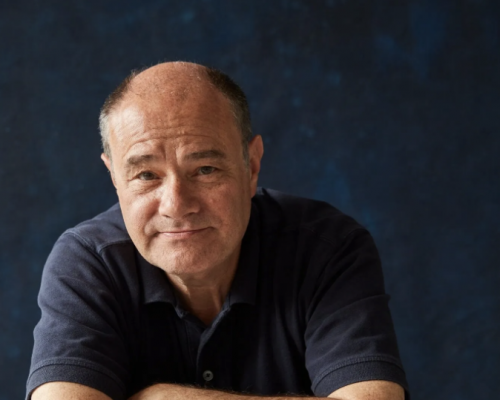
Ken Schneck, publisher of the Buckeye Flame in suburban Cleveland, is not surprised by the findings.
“We have almost entirely eliminated our use of X because it’s just not worth it for the hate we receive,” Schneck said. “The Buckeye Flame has cracked some sort of Facebook algorithm and our posts are now being seen astronomically more than they were a year ago. The drawback has been that I spend a sizeable percentage of my time blocking homophobic and transphobic comments. The amount of work required to moderate a queer newsroom’s social media account is astronomical.”
“For LGBTQ media organizations like Dallas Voice, we have absolutely seen shifts in algorithms and content prioritization, especially on Meta platforms,” said publisher Leo Cusimano.
“LGBTQ content is often deprioritized or suppressed in ways that may not always be openly acknowledged. Because of that, we’ve had to adapt our strategies. For example, we frequently place story links in the comments section instead of the original post because posts with outbound links often receive less reach. We also focus heavily on engagement signals, timing, video, and community interaction to elevate visibility,” said Cusimano. “At the same time, not all platforms behave the same way. BlueSky, for example, has not shown the same level of suppression toward our content, and we’ve seen healthier organic engagement there.”
However, added Cusimano, social media has become a necessity. “The reality is that social media is no longer optional for publishers, businesses, nonprofits, or community organizations. Our readers, viewers, supporters, and advertisers are there, so we have to be there too. The challenge is learning how to navigate the environment strategically while protecting your voice, your data, and your community.”
“These platforms don’t seem to be changing,” said Phillip Zonkel, editor of Q Voice News in Los Angeles. “They don’t seem to be doing anything to improve.”
Zonkel suggested that someone should try to launch an LGBTQ social media platform. As for the social media platforms that continue to allow hatred toward the community, Zonkel urges people to consider dropping Facebook and X.
“It’s like a restaurant,” he added. “if you don’t like it, go somewhere else.”
IN THE NEWS
Volume 28
Issue 4