
‘Best of’ issues good business for some, exclusionary to others
by Joe Siegel
“Best of” issues have been a staple of community newspapers, LGBTQ or otherwise, for a long time. But The Fight, based in Los Angeles, recently published an editorial explaining why the magazine doesn’t produce any annual “best of” issues.
Editor in chief Mark Ariel explained in his piece that this was a conscious decision from the jump.
“Here is why we have never — and will never — run a popularity contest,” Ariel wrote. “The ‘Best Of’ model treats the LGBTQ+ community like a shopping mall. It reduces local businesses — many of which are the lifeblood of our safe spaces — to a set of rankings. When a magazine crowns a ‘Best Bar,’ it often ignores the smaller, niche spaces that serve the most vulnerable among us: our trans sisters, our sober community, and our elders. We refuse to participate in a system that suggests one queer space is ‘better’ than another simply because it has a larger marketing budget or a louder social media following.”
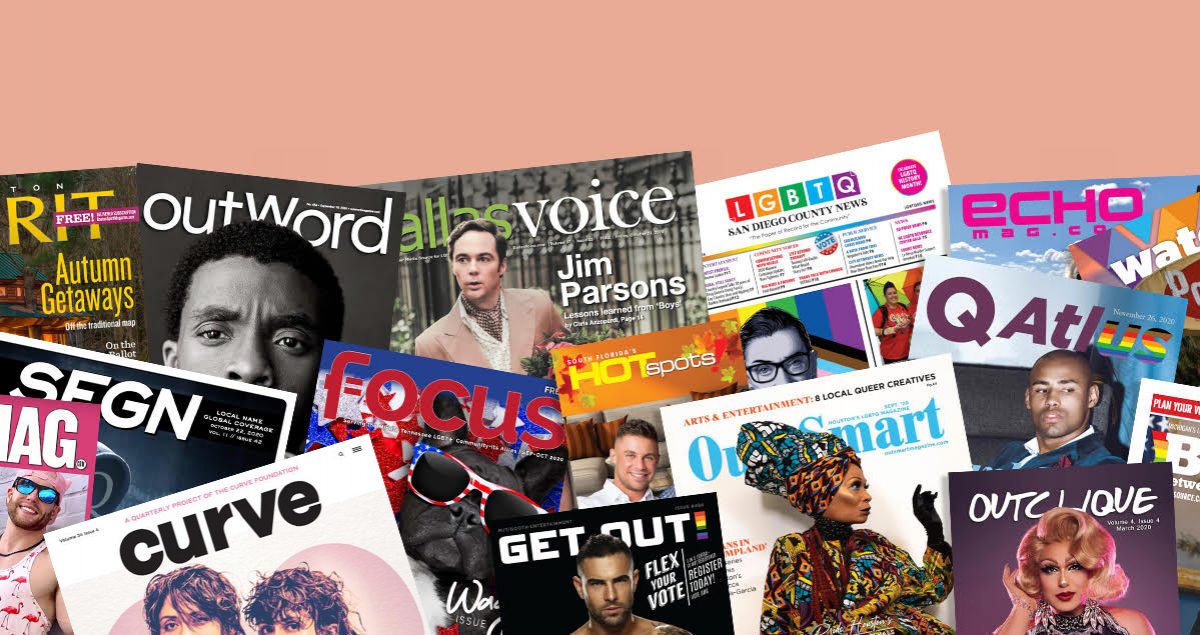
Many other LGBTQ publications continue celebrating the best of their communities, without apology.
“We have done Best Of in D.C. and L.A. for many years,” said Kevin Naff, editor of the Washington Blade and national editor of the Los Angeles Blade. “In fact, October is the 20th anniversary of the Best of LGBTQ D.C. Awards and we’re already planning for it. It’s a fun way to celebrate our local queer-owned businesses, entrepreneurs, and artists who are too often overlooked by mainstream audiences and awards programs.”
But at the San Francisco Bay Times, “We do not publish a ‘best of’ issue, which means we don’t conduct a readership survey seeking respondees who are willing to complete a questionnaire and thereby submit their votes,” said co-publisher and editor Betty Sullivan. “As far as I know, the Bay Times has never had this type of contest.”

At Watermark Out News in Orlando, Fla., “We don’t call it the Best Of,” said Rick Todd, the newspaper’s publisher. “Our awards are called the Watermark Out News WONDER Awards, which stands for Watermark Out News: Diversity, Equity and Resilience Awards. I think ‘best of’s, or ‘favorites’ in our case, are a way to celebrate the good work we all do, especially in Florida where the hits just keep coming. Those of us in publishing are just trying to thrive and help our communities to do the same. Whether a publisher decides to do them or not, I’m sure we are all just trying to do the best we can. I just don’t see the downside in participating.”
However, unlike a “best of” competition, “We don’t list our winners as the best, but as the community favorites, as they are voted by our readers and not hand picked by the paper,” Todd said. “We tailor our categories to directly celebrate underserved segments of our community and give some a chance to shine when they might otherwise not.”
Todd said Watermark’s staff also benefited from the process.
“It gives us a chance to learn about parts of our community that might not be on our radar, too. We give out framed awards to the top [vote-getter] in each category so they can display their recognition by the community they serve. It’s not a selfless act either. The voting process draws attention to our social media and website and allows people who knew nothing of us to discover the work we do for the community. Hanging awards in storefronts gives us an opportunity to connect to new potential readers.”
Such events are good for the bottom line too, said Todd. “By hosting an awards ceremony, we have the opportunity to sell sponsorships and advertising that helps keep our lights on, that help us keep telling the stories of our community the other 354 days of the year,” Todd added.
The Dallas Voice publishes its Readers Voice Awards issue every March. In an online poll January 1-31, readers choose the winners in a variety of categories, including awards for Best Community Role Model and Best Community Ally, although this year, the best ally was editor’s choice rather than via community voting.
“That is our version of a ‘best of’ issue,” said Tammye Nash, Dallas Voice’s managing editor. “It starts with a staff meeting to choose a theme and set our categories for the year in November/December. Then our art department designs web pages and marketing/promotional materials and winner plaques/certificates based on the chosen theme. This year’s theme was ‘The Future’s So Bright,’ and we used a neon-based design.”
The Dallas Voice also offers Editor’s Choice awards in each category so that staff can recognize businesses, organizations and individuals that it feels deserve recognition but may have been overlooked by readers in the public voting, said Nash.
“The Readers Voice Awards issue is also always one of our largest print issues of the year, and that means we have room to include more news and more feature articles than usual — yet another good thing,” Nash said.
“For publishers who want to succeed today, one thing is clear, you cannot rely on a single revenue stream,” added Dallas Voice publisher Leo Cusimano. “You need multiple strategies working together, and you have to truly understand both engagement and marketing.”
“I come at this as a publisher with a marketing degree and nearly four decades of advertising experience. A ‘best of’ issue is one of the most powerful tools we have because it delivers on every level,” said Cusimano. “When built as a true readers’ choice program, it becomes a direct line to your audience. It invites them in, gives them a voice, and creates a meaningful way for them to engage with your publication. That kind of participation is invaluable, it builds loyalty and keeps your publication relevant.”
TOP STORY
Volume 28
Issue 3