Publishers wary of social media blocking LGBTQ content
by Joe Siegel
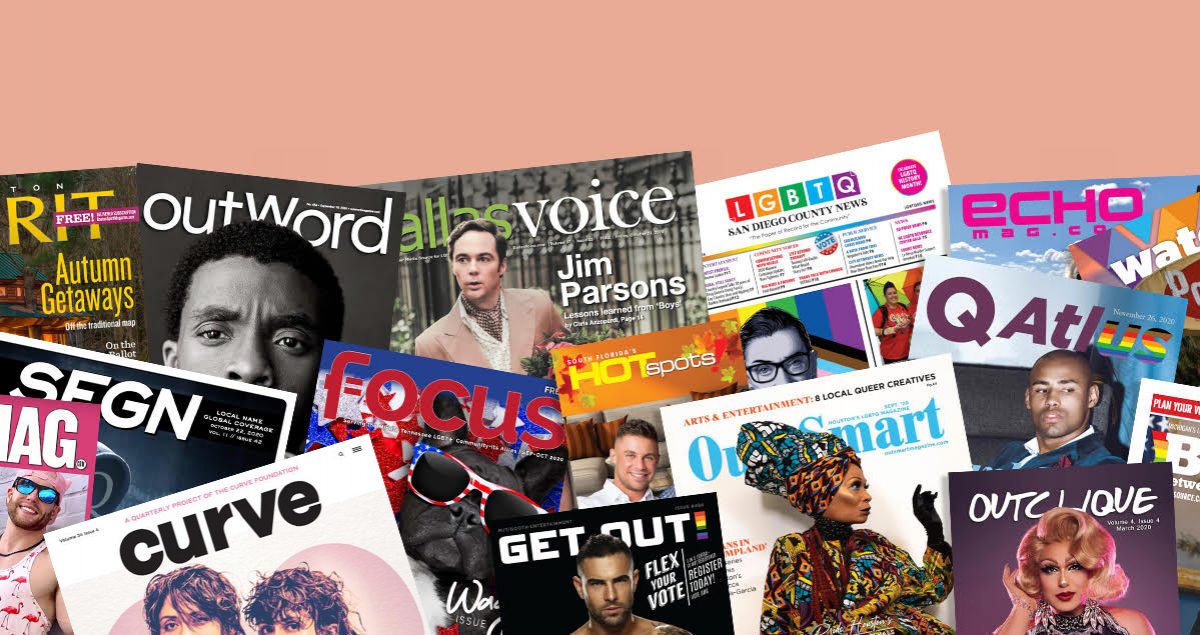
LGBTQ media outlets continue to have a love/hate relationship with social media companies.
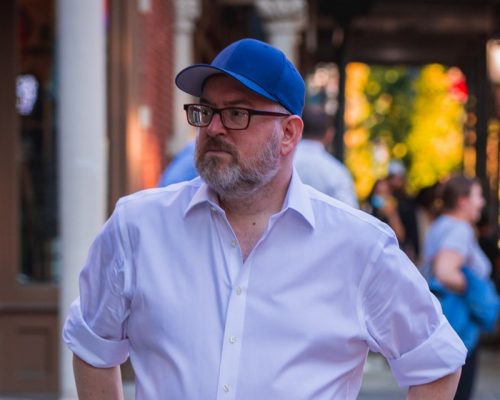
Citing his own experience, Russ White, publisher of Las Vegas-based QVegas Magazine, claims Facebook is targeting LGBTQ content for removal.
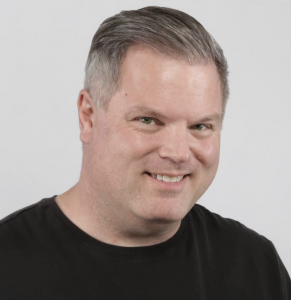
White posted the following message on the platform. “QVegas has over 35,000 followers. Facebook has been deprioritizing our content for years. Please take a moment to visit the QVegas page and like some of our most recent posts and let Facebook know that queer content is important.”
Although White says he has no proof of his claims, “I believe what happened … is that we did some heavy Facebook ads several years ago, but then stopped,” White explained. “It wasn’t effective for what we were paying. After that it seemed all organic reach stopped too. We stopped paying for ads so they stopped all reach. Since then we’ve had almost no engagement. That post [about Facebook] has generated more reach in two days than the page has had in years. Since then, our personal pages have had more engagement than our business pages. … I really think it’s an anti-LGBTQ agenda inside Facebook or overly aggressive content monitoring bots inside Meta.”
Some LGBTQ publications have given up on social media advertising altogether, either for financial reasons or the policy changes made by Meta, Facebook and Instagram’s parent company.
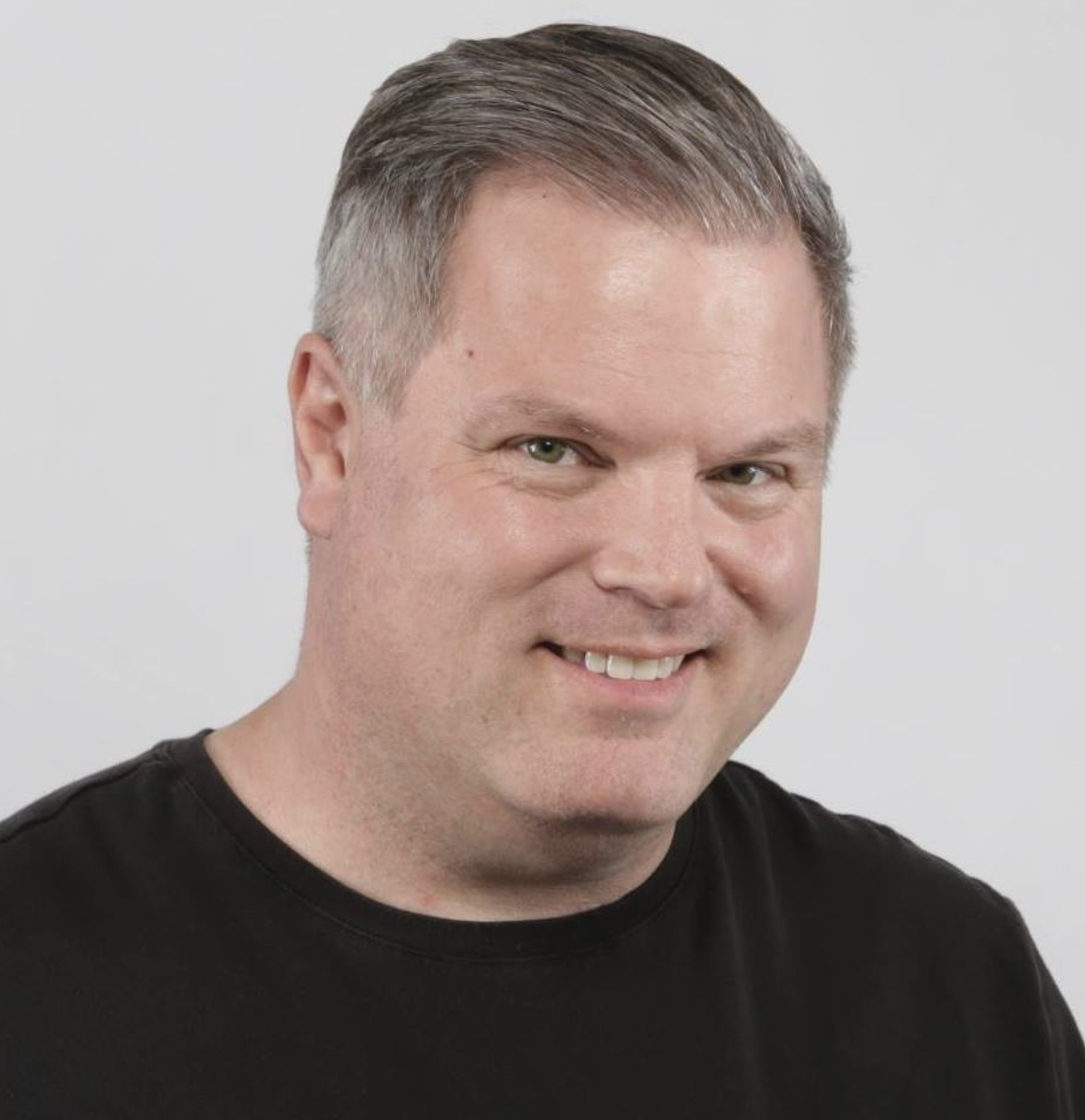
Leo Cusimano, publisher of the Dallas Voice, is aware that Facebook has marginalized LGBTQ content.
“To bypass the problem, we do not include links to stories in the post. Instead we place the links in the comments section,” Cusimano said. “Bluesky does not deprioritize content, [so] many LGBTQ publishers post more there.”
“We are not currently advertising on any platform,” said Jason Parsley, editor of Wilton Manors-based OutSFL. “Don’t really see a big reason to. We have in the past. For instance when we launched [Florida Atlantic University campus newspaper] OutFAU, we spent some dollars on Instagram promoting the new publication.”
Adam Romanik, editor and owner of Baltimore-based Maryland Outloud, said, “We have not had any ads or posts removed from Facebook and we do not post or pay for advertising there either.”
Phillip Zonkel, editor of Los Angeles-based Q Voice News, recalls hearing about LGBTQ people who reported being in “Facebook jail” for allegedly violating the platform’s community standards. “When they finally got out, it was something along the lines of like, they were posting a picture of them kissing their boyfriend or hugging their girlfriend, something that was pretty innocuous.”
QVoice does not advertise on Facebook.
“I don’t know what the solution is. A lot of [LGBTQ] businesses rely on them for publicity,” said Zonkel. “You’d think a company that constantly says they’re friends with us, this wouldn’t be happening. … How many sorrys does it take before it’s not genuine and you don’t believe it?”
On January 7, 2025, Meta CEO Mark Zuckerberg announced a complete overhaul of content policies across Meta platforms. These changes included the end of fact-checking, thinned-down moderation efforts, and a dismantled Hateful Conduct policy that expressly permits abuse against LGBTQ people while forbidding the same abuses against all other communities, according to the Human Rights Campaign. In the following days, Meta also announced the termination of its broader DEI efforts, further signaling an abdication from its commitment to inclusion.
Last September, the Bay Area Reporter’s John Ferrannini reported that “four queer San Francisco content creators and one in New York allege they were treated unfairly by social media giant Instagram. They said their accounts were restricted or even deleted under the auspices of rules around ‘sexually suggestive’ content. Three of the five told the Bay Area Reporter that Instagram alleged they were selling or buying sex through the platform – charges they say are baseless.”
IN THE NEWS
Volume 28
Issue 3